

AI or Human: Who Wins the Battle of Intelligence and Creativity? 2025
- Update Time :Wednesday, March 19, 2025
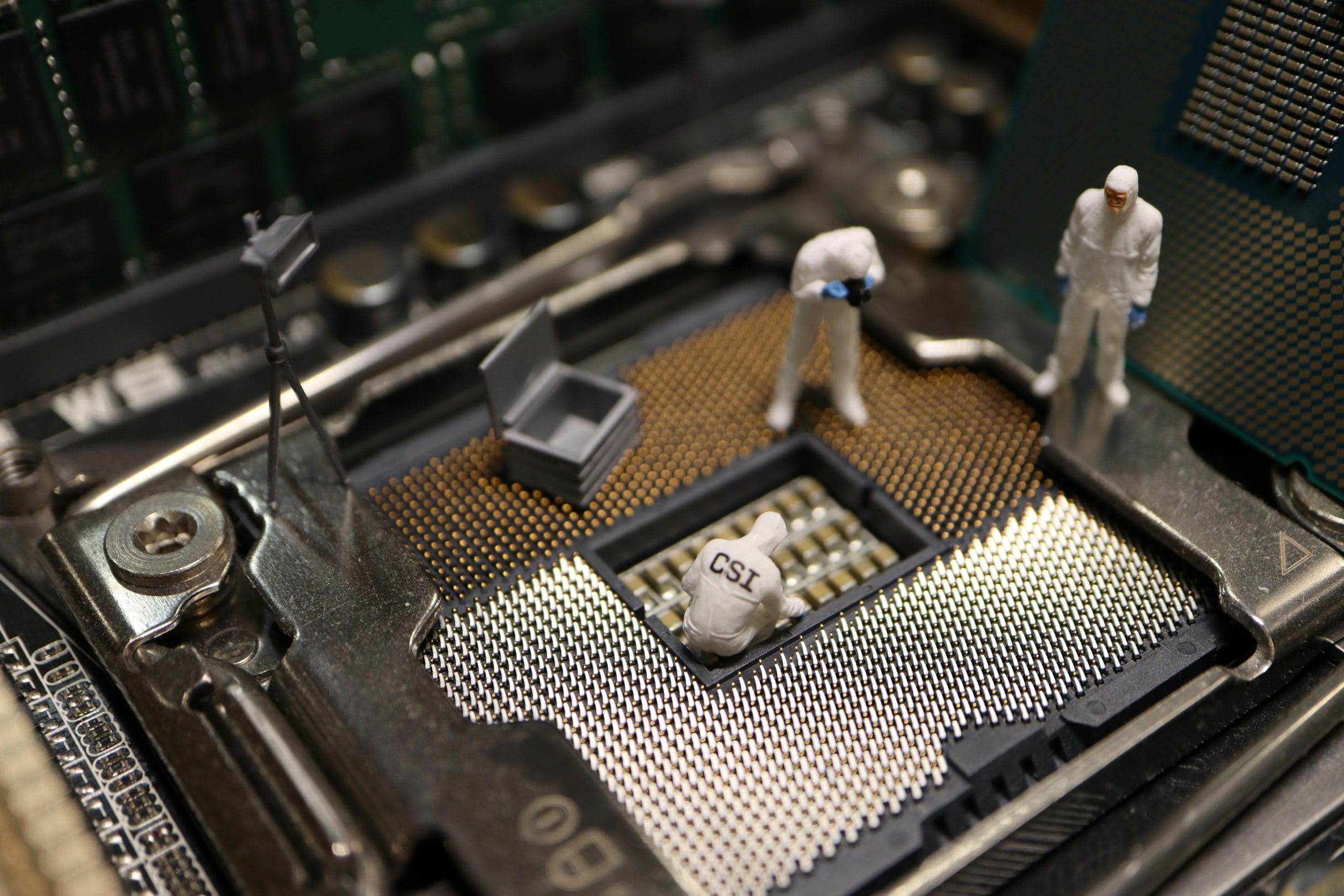
AI or Human ?
Artificial intelligence (AI) is advancing at an unprecedented pace, transforming industries and reshaping how we live and work. But despite its capabilities, can AI truly rival human intelligence? While AI excels in speed and efficiency, humans possess emotions, creativity, and ethical reasoning. This article explores the fundamental differences, strengths, and future possibilities of AI and human intelligence.
What is AI?
AI refers to the simulation of human intelligence in machines, allowing them to perform tasks that typically require human cognition.
How Does AI Work?
AI operates through algorithms, machine learning models, and neural networks that process vast amounts of data to make predictions, recognize patterns, and automate tasks.

Types of AI
- Narrow AI: Specialized in specific tasks (e.g., voice assistants, recommendation algorithms).
- General AI: Hypothetical AI that can perform any intellectual task a human can.
Understanding Human Intelligence
Human intelligence involves cognitive abilities, creativity, emotions, and ethical reasoning. Unlike AI, humans can think abstractly, make moral judgments, and adapt to unpredictable situations.
AI vs. Human: Key Differences
| Feature | AI | Human |
|---|---|---|
| Learning Ability | Data-driven, requires training | Learns from experience, emotions, and intuition |
| Creativity | Imitates but lacks true innovation | Generates original, abstract ideas |
| Emotional Depth | No emotions, only simulations | Deep emotional intelligence |
| Decision-Making | Based on algorithms | Uses logic, ethics, and emotions |
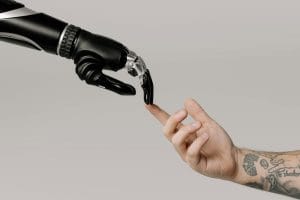
Note ; AI Extremism: A Growing Concern
AI extremism refers to the misuse of artificial intelligence to spread radical ideologies, manipulate information, and automate harmful activities. Extremist groups increasingly exploit AI-driven tools, such as deepfake technology, automated bots, and algorithmic manipulation, to spread propaganda, recruit followers, and incite violence. AI-powered systems can analyze vast amounts of data to target specific audiences, making extremist messaging more personalized and persuasive.

AI’s Strengths
- Processes vast amounts of data in seconds
- Automates repetitive tasks
- Reduces human error
Human Strengths
- Emotional intelligence and empathy
- Critical thinking and abstract reasoning
- Ethical decision-making
AI’s Impact on Jobs
AI is automating routine jobs but also creating new career opportunities in AI development, data science, and robotics. Upskilling will be essential to remain relevant in an AI-driven world.
Can AI Be Truly Creative?
AI can generate art, music, and literature, but its creativity is limited to patterns it has learned. True innovation still requires human intuition and originality.
Ethical Concerns of AI
- Bias in AI algorithms
- Privacy risks with AI-driven surveillance
- Dependence on AI for decision-making
The Future of AI and Human Collaboration
Rather than competing, AI and humans can work together, with AI handling data-intensive tasks while humans provide ethical oversight and creativity.
Will AI Ever Surpass Humans?
While AI may surpass humans in processing power, it lacks self-awareness, emotions, and true reasoning. Human oversight remains crucial.
Conclusion
AI is a powerful tool, but human intelligence remains irreplaceable. The future lies in collaboration, where AI enhances human capabilities rather than replacing them.
FAQs
- Can AI completely replace humans?
No, AI lacks human emotions, ethics, and abstract reasoning. - How does AI learn compared to humans?
AI learns from data and patterns, while humans learn from experience, emotions, and logic. - Will AI take over creative fields?
AI can assist but cannot match true human creativity and originality. - What are the risks of AI?
Bias, privacy concerns, and overreliance on AI-driven decisions. - How can humans stay relevant in an AI-driven world?
By developing skills in critical thinking, emotional intelligence, and ethical reasoning.
Additionally, concerns arise over the potential for AI to autonomously execute harmful actions, such as cyber-attacks or autonomous weapons deployment. To combat AI extremism, governments, tech companies, and researchers must develop ethical AI policies, improve content moderation, and implement safeguards to prevent AI-driven radicalization. Balancing AI advancements with responsible use is crucial to ensuring technology remains a force for good rather than a tool for division and harm.