
World-Class Neurology Care Now Available in Chattogram
- Update Time :Monday, July 6, 2026
There was a time when neurology (brain and nervous system) care in Bangladesh was relatively limited. Patients with complex neurological disorders often had to travel abroad for advanced treatment. However, over the past decade, the combination of modern hospital infrastructure, the continuous availability of highly skilled specialists, and advanced diagnostic technologies has made it possible to diagnose and treat many complex neurological conditions within Bangladesh.
Like many other countries, stroke has emerged as one of the major public health challenges in Bangladesh. Uncontrolled high blood pressure, diabetes, smoking, unhealthy eating habits—such as excessive use of oil and fatty ingredients in food preparation—obesity, inadequate sleep, excessive work-related stress, and other lifestyle factors have contributed to a rapid increase in stroke cases, even among younger people. At the same time, diagnosing conditions such as rare headache disorders, peripheral neuropathy, myopathy, neuromuscular junction disorders, sleep disorders, rare neurodegenerative diseases, and inherited neurological disorders has become much easier than before. Many of these conditions were once dismissed as general physical weakness, unexplained illnesses, or simply the effects of aging. Today, however, public awareness has improved, and more people are seeking prompt consultation with neurologists.
The use of technology in neurology has expanded significantly. Modern neuroimaging, neurophysiology, and neuro-interventional techniques now enable faster and more accurate diagnosis. In stroke care, concepts such as “Therapeutic Window,” “Time is Brain,” and “BE FAST” have become critically important. The area of the brain affected by a stroke and the speed at which treatment begins can greatly influence patient outcomes. If appropriate treatment is initiated within the first few hours after a stroke, the risks of permanent paralysis, loss of speech, death, and long-term complications can be substantially reduced.

At the same time, a multidisciplinary approach to treatment has significantly improved patient recovery. Teams consisting of neurologists, physicians from other specialties, physiatrists, physical therapists, occupational therapists, speech therapists, and specialist nurses work together to help patients return to normal life more quickly than in the past.
Bangladesh’s healthcare system has undergone major improvements in recent years. Patients are increasingly placing their trust in specialized treatment available within the country. Advanced neurology services have expanded beyond the capital to major cities, making quality care more accessible. This not only reduces treatment costs but also lessens the emotional and financial burden on patients and their families. Furthermore, Bangladeshi physicians are becoming increasingly skilled in managing complex neurological diseases through international-standard training and the use of advanced medical technologies.
One notable example of this progress is Evercare Hospital Chattogram. The hospital’s Neurology Department offers continuous care by experienced specialist physicians, world-class diagnostic facilities, and a well-coordinated treatment system. It provides comprehensive care for stroke, epilepsy, headaches, Parkinson’s disease, neurological pain, and various other complex neurological disorders. Advanced intensive care facilities, 24-hour emergency services, and a multidisciplinary team further enhance the effectiveness of treatment for critically ill patients.

As a result, many patients from Chattogram and surrounding regions now feel comfortable receiving advanced neurological care at Evercare Hospital Chattogram instead of traveling to Dhaka or abroad.
Looking ahead, neurology care in Bangladesh is expected to expand even further. With the growing number of highly trained specialists, continued improvements in technology-driven diagnostic systems, and enhanced capabilities for early disease detection, the country is making steady progress in the diagnosis and treatment of neurological disorders.
Author
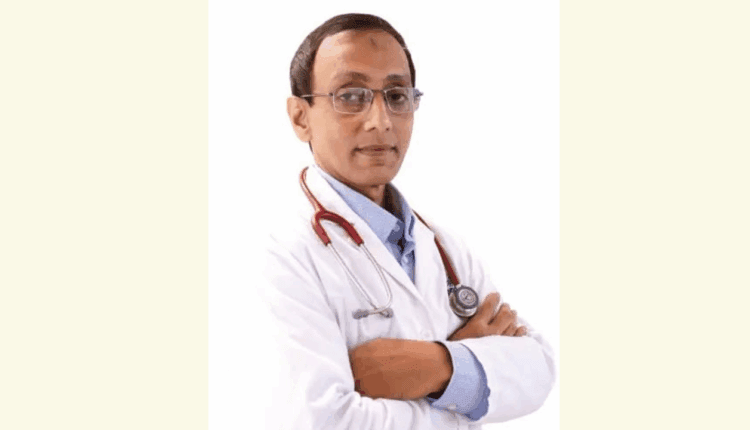
Dr. Mohammad Anwarul Azim Chowdhury
Attending Consultant, Department of Neurology
Evercare Hospital Chattogram